

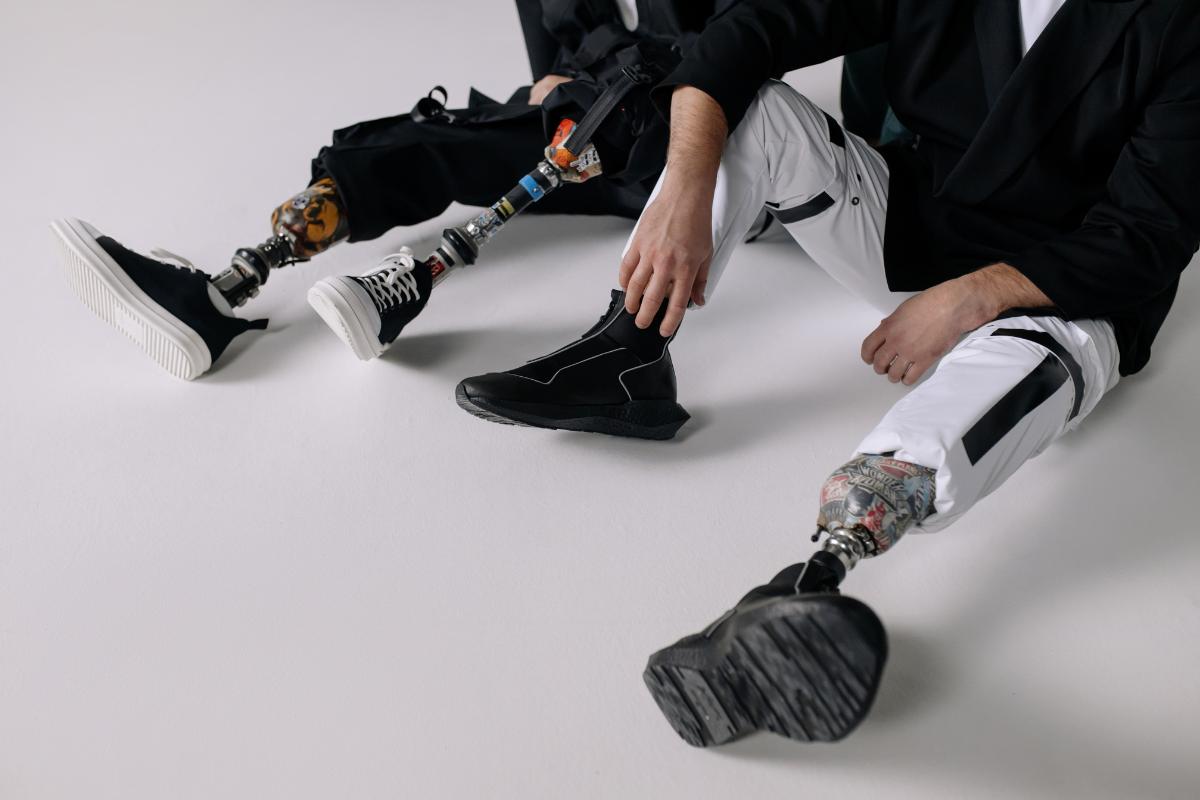
Balance often feels unpredictable after a toe or partial foot amputation, even during simple movements. Prosthetic devices in Warrenton, VA, give patients a way to regain control without overthinking every step. Firstcare Orthopaedics focuses on solutions that support real movement, not just basic function.
Toe fillers and related prosthetic devices help restore the foot’s interaction with the ground in everyday life. Patients can choose options that match their activity level, comfort needs, and long-term goals. Better support at the foot can change how the entire body moves and feels.
Read on to see how small changes in support can lead to more stable and confident movement.
Key Takeaways
- Losing toes changes how your body moves, but the right support can rebuild balance in ways many people don’t expect.
- Small adjustments at the front of the foot can improve stability, reduce strain, and make walking feel more natural again.
- The right prosthetic setup does more than fill space, it helps your whole body move with more control and less effort.
Restores Lost Push-Off Power
Each step should move you forward with ease, but missing toes change how that final push feels. The front of the foot plays a key role in propelling the body forward, and that force is lost after amputation. A well-made toe filler restores that contact, so each step feels smoother and more complete.
Walking without that push can lead to increased strain in the hips and legs over time. A proper filler helps shift the work back where it belongs, so the body does less compensating. Movement starts to feel more natural again, with less effort and more control in every step.
Rebuilds The Foot’s Natural Lever System
Every step depends on a smooth roll through the foot, but that chain breaks when part of the forefoot is missing. Pressure can stall or shift in ways that feel uneven and hard to control. A toe filler helps restore that forward roll so motion feels steady again.
Weight should move cleanly from heel to front without sudden changes in balance. The added structure helps guide that path so force travels the way it should. Walking becomes more fluid, with fewer awkward adjustments at each step.
Prevents Forward Collapse Inside The Shoe
A loose, unsupported fit inside the shoe can throw off your entire step. The foot can drift forward into open space, which creates a feeling of instability with each stride. A toe filler acts as a barrier that keeps everything in place and better aligned.
Heel position plays a greater role in daily movement than most people realize. Proper support helps keep the heel grounded so steps feel more secure and consistent. Less shifting inside the shoe means fewer balance issues that often get blamed on something else.
It’s Time to Regain Control With the Help of Toe Fillers
Better balance starts with support that actually works with your body, not against it. Firstcare Orthopaedics helps patients find prosthetic solutions that improve movement in a way that feels natural and sustainable. The right toe filler can change how every step feels moving forward.
Frequently Asked Questions
How does a toe filler affect long-term joint health?
A toe filler helps correct how weight moves through the foot, which can reduce stress on the knees and hips over time. Better alignment at the foot level can prevent uneven wear, which often leads to discomfort later.
Can a toe filler help with standing for long periods?
Yes, a toe filler can improve stability by providing a more solid base for the front of the foot. This added support helps reduce fatigue and makes it easier to stay balanced while standing.
What should I expect when adjusting to a toe filler?
Adjustment usually involves getting used to a more stable and supported step pattern. Many people notice improved control as their body adapts to the added structure and balance.