

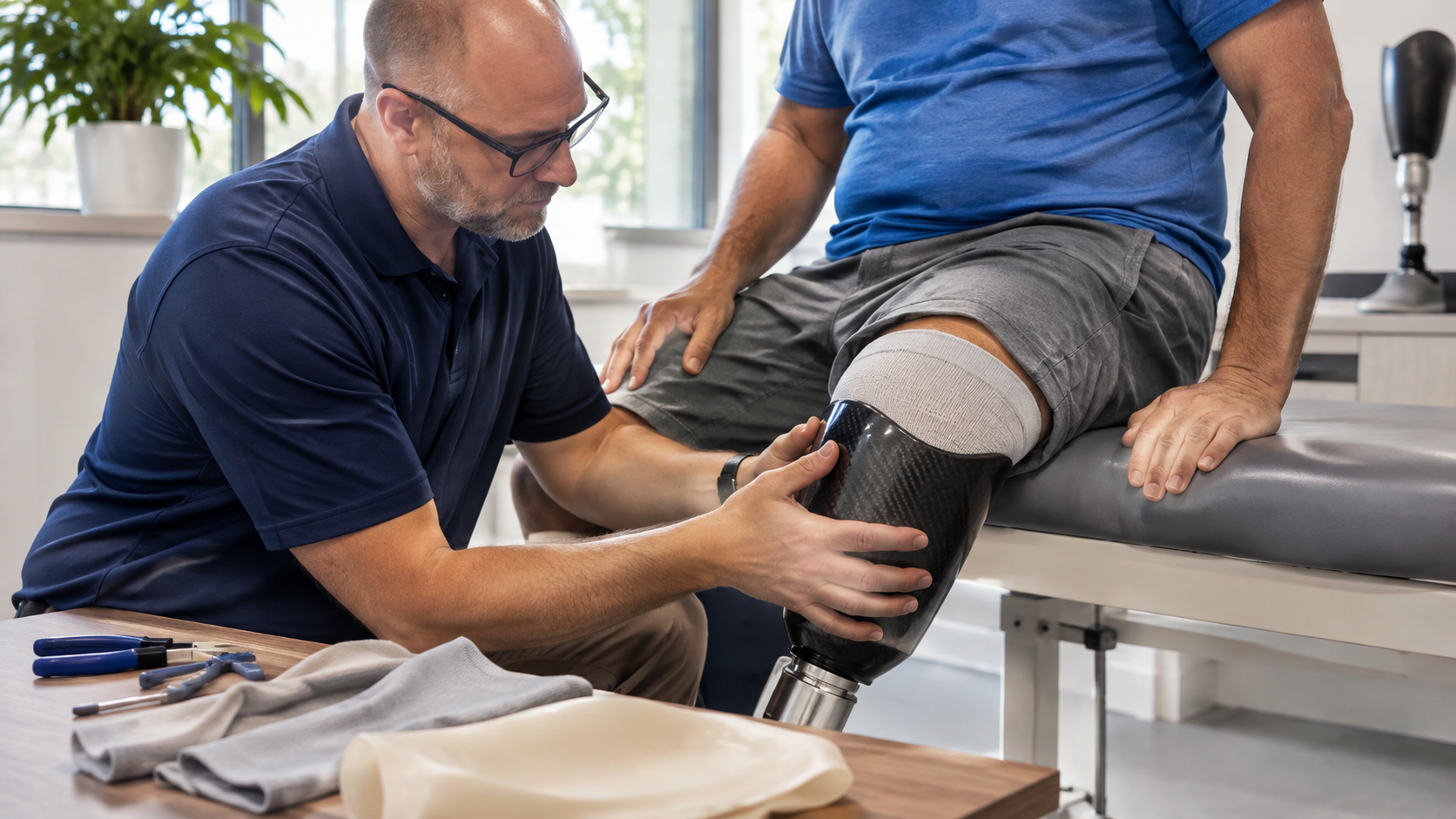
Getting your first prosthetic limb brings a lot of questions. Finding the right prosthetics in Fredericksburg, VA, is only part of getting ready. You also want to feel comfortable asking questions and know what to expect at your fitting.
Your appointment is a chance to talk about your concerns and what matters in your daily life. Firstcare Orthopaedics helps patients understand their options and feel more confident about getting a new prosthetic limb. Knowing what to ask helps you prepare for your fitting and feel more at ease with the process.
Read on to learn which questions you should ask before your first prosthetic fitting and why the answers matter.
Key Takeaways
- Your first prosthetic fitting may involve several appointments before your finished limb is ready.
- Changes in your residual limb, skin pressure, and daily movements all affect how well your prosthesis fits.
- Asking about wearing schedules, warning signs, and follow-up care helps you prepare for life with your new limb.
Where Should I Feel Pressure When Wearing My Prosthesis?
Your prosthetic socket should feel snug without causing sharp pain or pinching. Pressure needs to spread across parts of your residual limb that can handle the force of walking or moving. Areas near bones, scars, or sensitive skin may need extra padding or changes to the socket’s shape.
Feeling a firm fit is different from having a painful spot that gets worse with each step. Ask your prosthetist to explain where pressure is expected and which areas need special care. Red marks that don’t fade, blisters, or ongoing pain should be reported because they may mean your socket needs adjustment.
What Happens if My Residual Limb Changes Shape?
Swelling can go down after surgery, leaving your residual limb smaller than it was during your first fitting. Muscle changes may also affect how your prosthetic socket sits against your skin. Patients getting prosthetics in Fredericksburg, VA, should ask how these changes could affect their fit over time.
A socket that once felt secure might begin slipping or rubbing as your limb changes size. Your prosthetist may suggest adding prosthetic socks, adjusting the socket, or replacing certain parts to restore a comfortable fit. Discuss how to recognize these changes and when to schedule another fitting instead of trying to fix the problem yourself.
What Should I Bring to My First Prosthetic Fitting?
The shoes you wear to your appointment can affect how your new prosthetic leg is set up. Different heel heights may change how the limb lines up when you stand or walk. Pack your regular shoes along with any liners, prosthetic socks, or fitting supplies your prosthetist has requested.
Medical records and a current medication list may also be useful during your visit. Check with the office ahead of time to find out which documents are needed and whether you should bring someone for support. Having these items ready lets you spend more of your appointment learning how your prosthesis fits and moves.
Start With the Right Questions About Prosthetics in Fredericksburg, VA
Your first prosthetic fitting should leave you with answers, not more reasons to worry. Firstcare Orthopaedics helps patients understand the fitting process, address comfort concerns, and prepare for life with a new prosthetic limb. Contact their team to discuss your needs and take the next step toward a better fit and greater confidence.
Frequently Asked Questions
How do I prepare my residual limb for a prosthetic fitting?
Keep your residual limb clean and follow your care team’s instructions for skin care and swelling control. Avoid using new creams or lotions before your appointment unless your prosthetist recommends them.
Can I bring someone with me to my first prosthetic appointment?
Bringing a family member or caregiver can help you feel more comfortable and remember important information. They can also learn how to support you as you adjust to your new prosthetic limb.
What if my prosthetic limb doesn’t feel secure when I walk?
A loose socket, poor alignment, or changes in your residual limb could affect how stable your prosthesis feels. Your prosthetist can check the fit and make adjustments before you continue using it.