

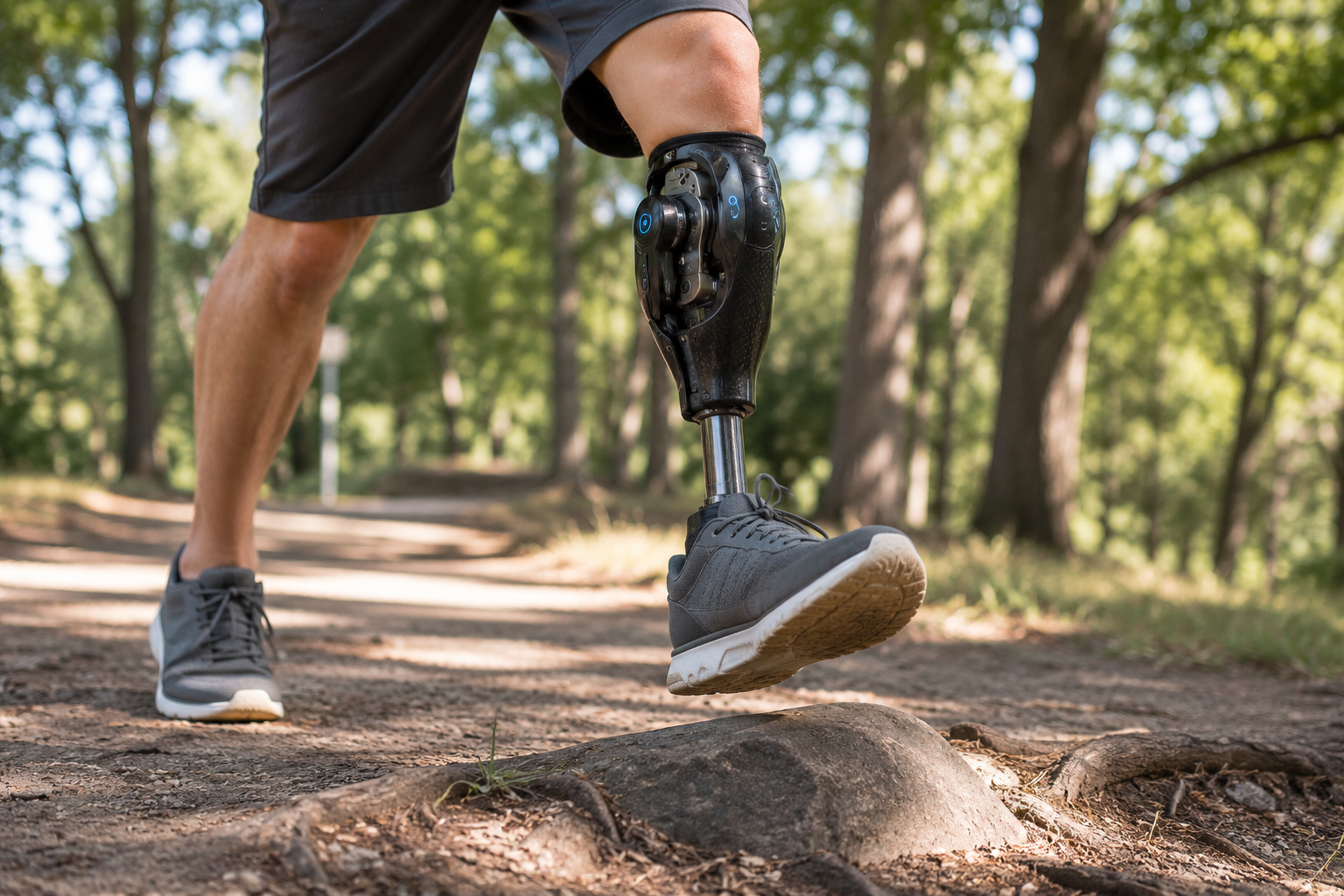
A small change in balance can turn an easy walk into a tense moment. People who use prosthetic devices in Culpeper, VA, need support that responds to real movement. Microprocessor knees offer a different kind of help when daily steps do not go as planned.
Walking speed, body position, and changing surfaces all affect how a prosthetic knee performs. Firstcare Orthopaedics offers prosthetics designed around each patient’s comfort, movement, and daily routine. Good technology works best when the fit, setup, and training all support the person using it.
A closer look shows how these knees help users react with more control before balance slips.
Read on to learn how microprocessor knees adjust before a misstep becomes a fall.
Key Takeaways
- Microprocessor knees can add support when a step starts to go wrong.
- Smarter swing timing helps the foot clear the ground and land where expected.
- Slopes, turns, and uneven ground reveal how quickly the knee can react.
Catching a Stumble Mid-Step
One small trip can turn into a hard fall in seconds. Microprocessor knees can sense when the leg moves outside its usual pattern. Extra resistance may slow the knee before it folds too fast.
Carpet edges, curbs, and rough ground can all catch a toe. That brief support gives the user more time to shift weight and plant the other foot. Better timing can make it easier to regain balance and stay upright.
Clearing the Toe Before It Catches
Low toe clearance can turn a smooth step into a sudden trip. The knee controls how fast the lower leg swings after the foot leaves the ground. Better timing helps prosthetic devices in Culpeper, VA, keep the toe higher during each step.
Proper swing speed also reduces the need to lift the hip too far. Users can move over rugs, cracks, and small obstacles with less effort. A cleaner foot path makes walking feel safer and more natural.
Holding Steady on a Bent Knee
Pressure can shift before the foot is flat on the ground. Microprocessor knees track the bend of the leg and how much weight moves through it. The system adds support before the knee gives way.
Extra resistance helps the body stay upright during the step. It also stops the leg from locking too fast. This quick response gives the user more control on uneven ground.
Move With More Trust Using Microprocessor Knees
Microprocessor knees can make daily movement feel more steady when the ground, pace, or body position changes. Firstcare Orthopaedics helps patients compare options that match their comfort, routine, and mobility goals. Better support starts with a prosthetic knee built around real life.
Frequently Asked Questions
Can a microprocessor knee help with quick turns?
A microprocessor knee can add resistance as body weight shifts during a turn. This added support helps the leg stay steady when the user changes direction.
How does alignment affect a microprocessor knee?
Proper alignment helps the knee read weight, position, and movement more accurately. Poor alignment can limit stability, even when the knee is equipped with advanced technology.
What happens during microprocessor knee programming?
A prosthetist adjusts the knee settings to match the user’s pace, strength, and daily routine. Follow-up visits help fine-tune the response as the user gains skill and confidence.