

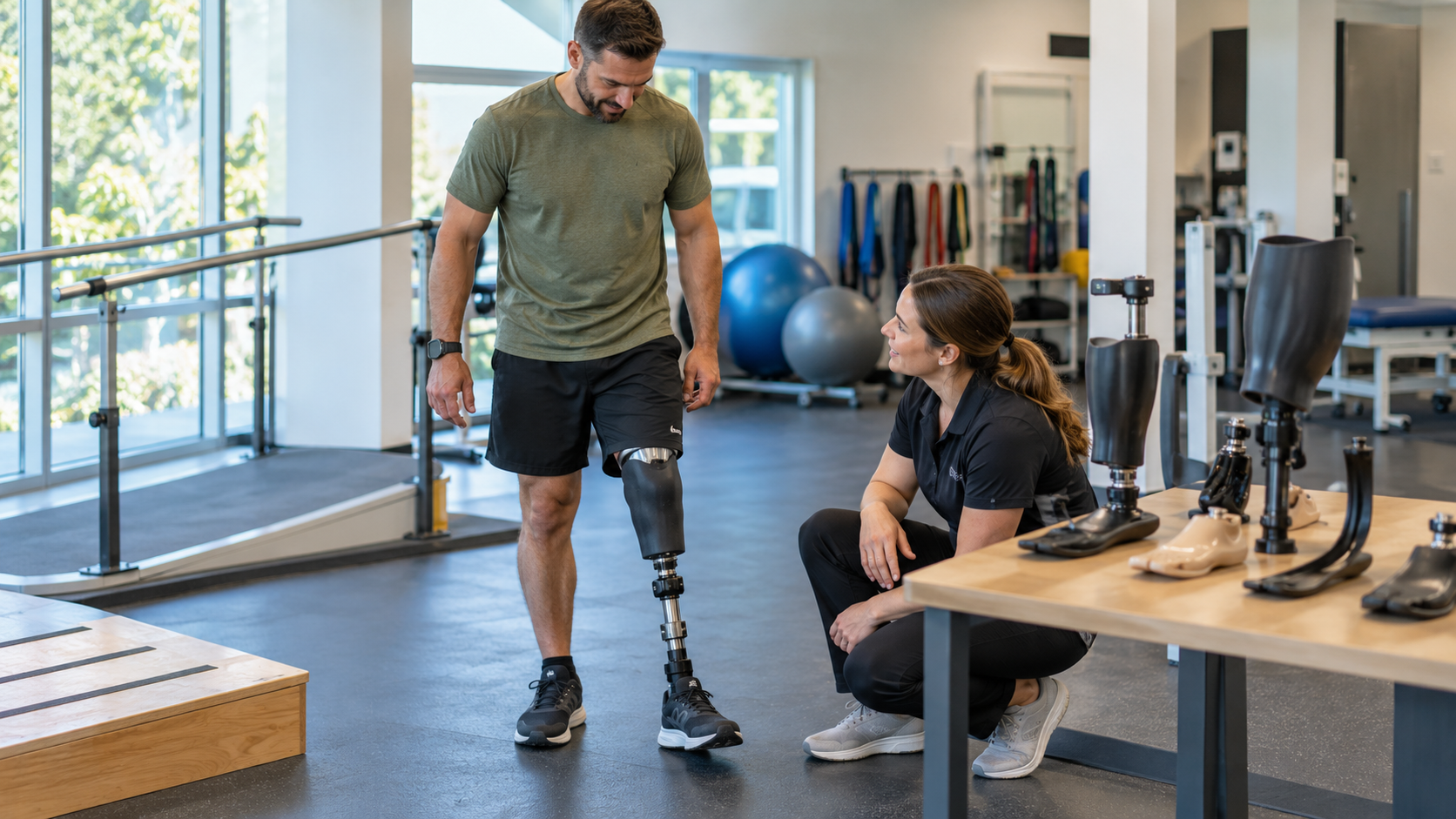
Choosing a prosthesis is not just about finding something that fits. People searching for prosthetic devices in Warrenton, VA, may have very different needs based on how they move each day. Activity level can shape which features feel useful, comfortable, and practical.
Firstcare Orthopaedics looks at the bigger picture when helping people understand their prosthetic options. Daily routines, personal goals, and changing mobility needs can all influence the choices that make sense. A setup that works well for one person may feel completely wrong for someone with a different lifestyle.
Your prosthesis should match the way you plan to use it, not force you to adjust your life around it.
Below, learn how activity level can influence the prosthetic components that may fit your needs.
Key Takeaways
- Your daily routine can change which prosthetic features make the most sense.
- Walking speed, rough ground, work, and sports can place very different demands on a prosthesis.
- The right components should support how you move today and where you want to go next.
Walking Speed Changes Foot Response
Walking speed can change what you need from a prosthetic foot. Some designs flex more under pressure and give back part of that energy as you move. That response can feel more natural for people who speed up and slow down often.
Someone who walks short, steady distances may not need the same setup. A more active person may benefit from a foot built to handle faster steps and stronger push-off. Matching the foot to your normal pace can make daily movement feel smoother and more controlled.
Rough Ground Changes Ankle Demands
Uneven ground asks more from a prosthetic ankle than a smooth floor does. Trails, curbs, ramps, and sloped yards can change the angle of every step. Some prosthetic devices in Warrenton, VA, are built to adjust more easily as the ground shifts underfoot.
A foot or ankle with more movement can help the user stay balanced on changing surfaces. That added response may reduce the need to fight against every small slope or dip. The right setup can make outdoor movement feel steadier and less awkward.
Repeated Impact Raises the Bar
Running, lifting, and physical work can put much more force through a prosthesis. Each hard step, twist, or landing adds stress that light walking may never create. Components built for higher activity often need to handle stronger loads without wearing down too quickly.
Weight limits and intended use matter more as movement gets harder. A part that works well for daily errands may not be the best match for sports or heavy job tasks. Choosing components for the way you actually move can help the prosthesis stay more reliable over time.
We Can Help You Choose the Right Prosthetic Devices in Warrenton, VA
The right prosthetic setup should work with your routine, not fight against it. Firstcare Orthopaedics can help match component choices to your movement, goals, and daily demands. A better fit between your lifestyle and your prosthesis can make each step feel more natural and useful.
Frequently Asked Questions
How do I know if my prosthetic setup still fits my lifestyle?
Changes in work, hobbies, walking, or daily routines can make an old setup feel less useful. A prosthetist can review how you move now and see if different components may work better.
Can my job affect the prosthetic components I need?
Yes, your job can change the amount of stress and movement your prosthesis must handle. Standing, lifting, climbing, and walking on uneven ground may call for different component features.
Can prosthetic components change as I become more active?
Yes, component choices can change as your strength, goals, and activity level grow. Regular evaluations can help make sure your prosthesis still supports what you want to do.