

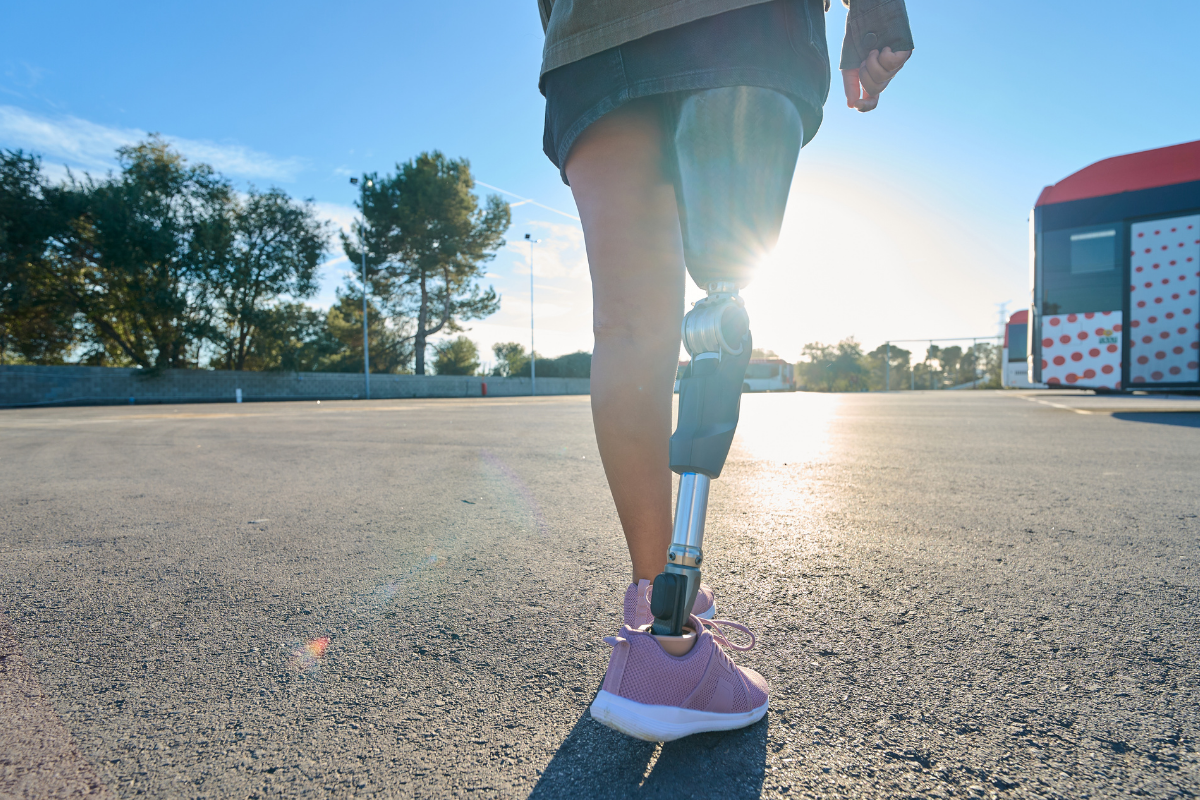
Most people think about fit or function when it comes to prosthetics, but weight plays a bigger role than you might expect. It affects how you move, how long you stay active, and even the amount of strain your body endures. For anyone using prosthetic devices in Warrenton, VA, that extra weight can quietly create bigger problems over time.
At Firstcare Orthopaedics, we build lighter, smarter prosthetics that work with your body, not against it. Our designs help reduce fatigue, improve balance, and make day-to-day movement feel more natural. Whether you’re new to prosthetics or looking to upgrade, weight should be part of your decision.
Read on to see how prosthetic weight affects comfort, mobility, and long-term health.
Key Takeaways
- A heavy prosthesis doesn’t just feel bulky, it can drain your energy and affect your balance.
- Lighter designs help you move more naturally, reduce joint strain, and make rehab easier.
- The right weight improves comfort, builds confidence, and makes everyday movement less of a struggle.
Heavy Prosthetics Drain Energy Faster
Every extra pound in a prosthetic makes your body work harder than it should. This extra strain wears you down faster, especially during long walks or busy days on your feet. Over time, it can turn simple tasks into exhausting ones.
Fatigue builds quietly and can limit how far you go or how long you stay active. Energy that could be used for daily life gets burned up managing the weight. Choosing a lighter option can help you stay mobile without draining your strength.
Weight Affects Long-Term Joint Health
Joint pain doesn’t always show up right away, but heavy prosthetics can bring it on sooner than expected. Each step adds pressure to your legs and spine, slowly wearing down the joints that keep you moving. Over months or years, this added force can lead to serious discomfort and long-term damage.
Lightweight designs aren’t just easier to use, they also help protect your body from daily strain. Joints stay healthier when the weight is easier to manage. Choosing the right prosthetic now enables you to avoid mobility problems later.
Does A Heavy Prosthesis Affect Your Balance?
Yes, a heavy prosthesis can change how your body stays upright. It shifts your center of gravity, which can make walking feel awkward or uneven. That shift makes stairs, curbs, and uneven ground more dangerous.
Lighter devices help your body move in a smoother, more natural way. Steps feel steadier, and your risk of falling goes down. Many people using prosthetic devices in Warrenton, VA, see better stability with a lightweight fit.
Looking for better balance? Explore the prosthetic devices offered by Firstcare Orthopaedics.
Feel the Difference with Lightweight Prosthetic Devices
Weight impacts more than comfort, it shapes how you move through daily life. A lighter prosthesis can mean less pain, more energy, and a smoother recovery. Firstcare Orthopaedics builds prosthetic devices designed to support your movement, not limit it.
Frequently Asked Questions
How does prosthetic weight affect my ability to walk longer distances?
A heavier prosthesis makes each step harder, which drains your energy faster and limits how far you can go. Lighter designs reduce strain and help you stay active without wearing out.
Can a lighter prosthesis help prevent joint pain?
Yes, it reduces the impact on your hips, knees, and back with every movement. Over time, this can lower your risk of joint damage and chronic pain.
Why do some prosthetics feel harder to control than others?
Excess weight can throw off your balance and make the device feel less responsive. A lighter prosthesis moves more naturally with your body, giving you better control.