

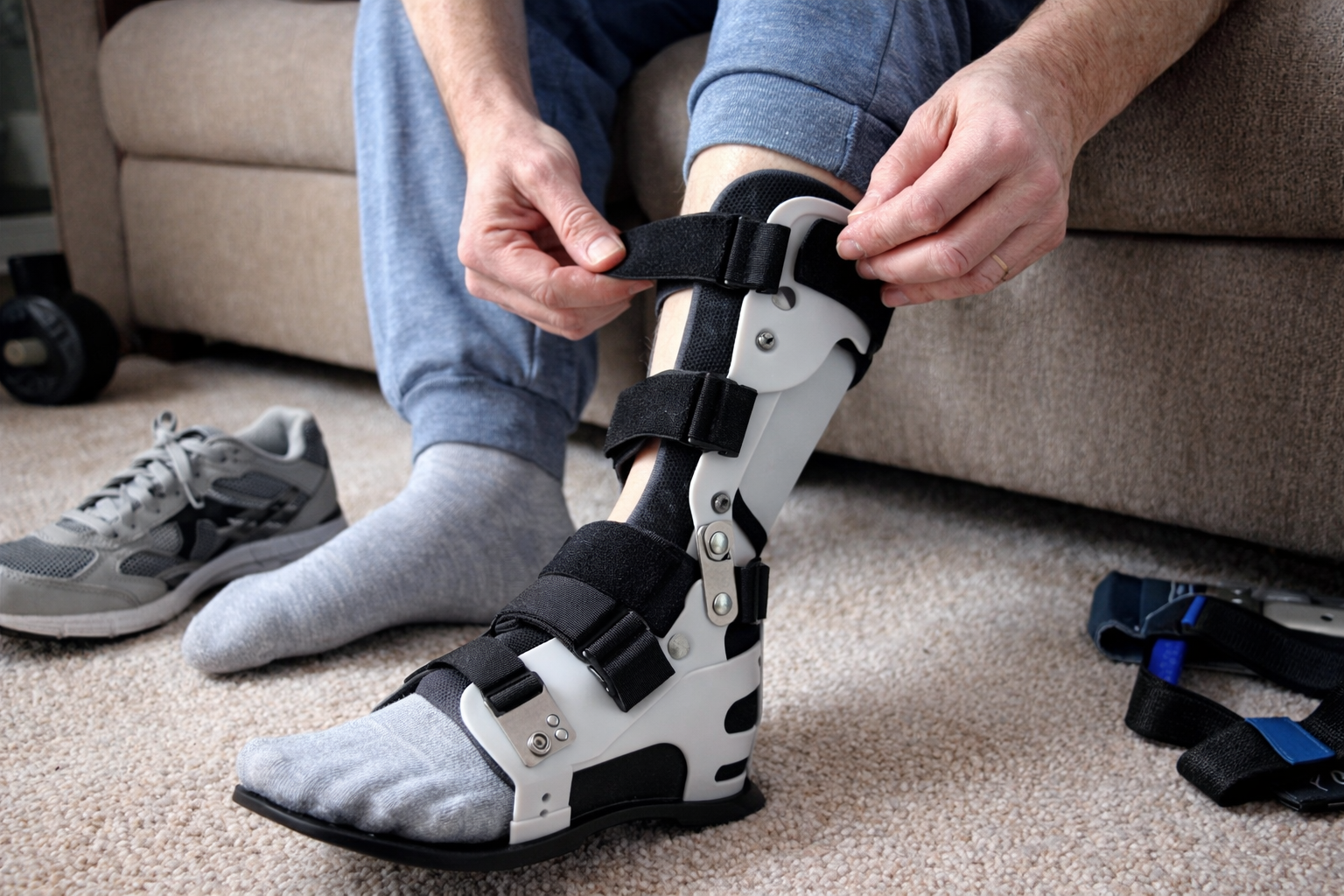
Walking should feel smooth, but small changes can quietly throw everything off. An AFO ankle brace in Fairfax, VA, can help correct those patterns before they turn into bigger problems. Firstcare Orthopaedics works with patients who deal with these subtle shifts every day.
Signs often show up in ways people do not expect, like changes in balance, movement, or how the body compensates. These patterns can affect more than just the foot and ankle over time. The list below breaks down what to watch for and why it matters.
Read on to see what your body might already be telling you.
Key Takeaways
- Small changes in how you walk often signal deeper issues with control and stability, not just simple weakness.
- The body will compensate in ways you may not notice, but those patterns can lead to strain in the knees, hips, and back.
- The right support can restore natural movement and reduce the effort it takes to move through your day.
Toes Keep Catching The Ground
Your foot should glide forward, but when your toes catch the ground, something deeper is off. Small trips or sudden stumbles can start to feel more common, especially later in the day. This pattern often indicates trouble lifting the front of the foot with each step.
Many people begin lifting their knees higher to clear the ground and avoid falling. That quick fix puts extra stress on the hips and lower back over time. A hinged AFO ankle brace can help guide the foot forward and keep your steps steady without extra effort.
Ankle Rolls Inward Or Outward During Steps
Each step should feel steady, but a shifting ankle can throw off your balance fast. That side-to-side movement is a sign the joint is not staying in control as you walk. It often leads to uneven steps that feel harder to trust on different surfaces.
This kind of movement goes beyond simple weakness and points to poor stability through the full step. A hinged AFO ankle brace helps guide the ankle along a safer path with each stride. Added support keeps the joint from drifting and lowers the chance of a misstep on uneven ground.
Walking Feels Forced Instead Of Natural
Some people notice that walking starts to feel like a task rather than something that just happens. Each step takes a bit more focus, almost like your body needs a reminder of what to do next. That shift can point to poor coordination between the foot, ankle, and the rest of the leg.
A hinged AFO ankle brace helps bring that movement back into a smoother pattern. It supports the ankle while still allowing it to move in a natural way. With the right support in place, steps can feel easier and more automatic again.
Take Control With An AFO Ankle Brace In Fairfax, VA
Small changes in how you walk can turn into bigger problems if they go ignored. Firstcare Orthopaedics helps patients improve movement with custom support that feels natural. The right brace can help you move with more confidence each day.
Frequently Asked Questions
How do I know if my walking pattern is a real problem or just a bad habit?
A walking pattern that feels forced or uneven is often a sign of poor control, not just a habit. If the body keeps compensating with extra effort, it usually means support is needed to restore proper movement.
Can an AFO ankle brace help with balance issues during everyday activities?
Yes, an AFO ankle brace can improve balance by guiding how the foot and ankle move with each step. This support helps the body stay aligned, which makes daily movement feel more stable and less tiring.
What happens if I ignore early signs like toe dragging or ankle instability?
Ignoring these signs can lead to added strain in the knees, hips, and lower back over time. What starts as a small issue can grow into ongoing discomfort and reduced mobility.